- Weird Stuff in the Bible
- Posts
- Baalbek, the Antediluvian Temple of the Watchers
Baalbek, the Antediluvian Temple of the Watchers
See it for yourself

Luke Taylor
May 17, 2026
A Rabbit Trail on Baalbek
Hey everyone!
I know it’s been a little while since I had a newsletter. I don’t try to create one just to create one; my goal with these newsletters is to expand on an episode when the material is there, or when there’s a key visual element that I can’t include within an audio podcast.
In this week’s newsletter, I’m doing both of those things. On Wednesday, I released Episode 123, in which we discussed how we ought to interact with evil spirits.

As part of that episode, we looked at a key element of Enoch’s storyline: his scribal “duties” of passing messages along between the fallen Watchers and the Lord Himself. The Watchers appealed their sentence, saying it was too extreme. God’s reply was essentially: “too bad.”
In the midst of all that, it said Enoch returned to the Fallen Watchers to re-affirm their condemnation. They were located in a portion of the underworld called Abelsjail. Enoch’s 13th chapter reads:
And when I awaked, I came unto them, and they were all sitting gathered together, weeping in ’Abelsjâîl, which is between Lebanon and Sênêsêr, with their faces covered.
*Note: Seneser is an alternative spelling of Senir, which is a name for Mount Hermon (see Deuteronomy 3:9).
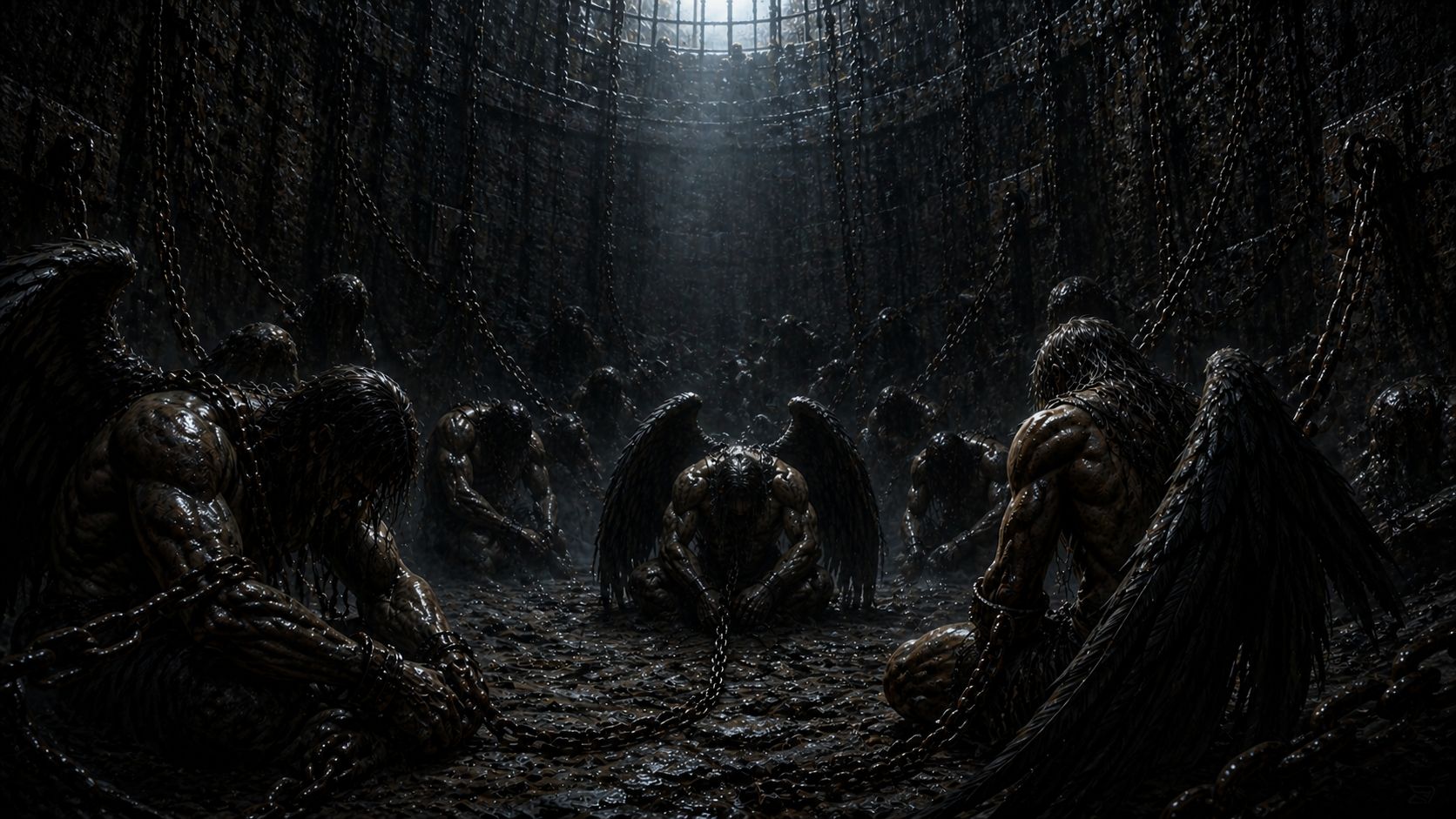
Interestingly, this location of Abelsjail corresponds to the location of a massive pagan temple that was constructed before the flood. Timothy Alberino writes about this in his book Birthright:
Enoch drew up their petitions as requested, but it was an exercise in futility; they were immediately rejected by the council. Enoch was then sent back to the watchers to deliver the bad news. He found them gathered together, weeping, in a place called Abelsjail, which is located between Lebanon and Senir. Lebanon likely refers to Mount Lebanon, and Senir is another name for Mount Hermon.
It just so happens that an imposing megalithic complex is located between these two mountains—Baalbek. Baalbek is home to one of the most magnificent ancient monuments ever constructed and the largest hewn stones ever discovered. The foundation stones of Baalbek weigh more than a thousand tons each. Although the Romans would later raise a temple to Jupiter over its mammoth ruins, Baalbek was indisputably built in the antediluvian age and may have served as the epicenter of the watchers’ empire on Earth.
Since this ancient site of worship pre-dates the flood, and since this location ended up being a place that the Watchers- under the earth- gathered to weep and mourn, it seems likely that this place was originally constructed in their honor as they sought worship in the antediluvian era.
My assumption would be, since the Watchers were able to observe what was going on above-ground, they visited this location to lament and remember the “good ole days” when they were worshiped as gods by humanity. Baalbek may well have been the capitol or home base of their empire.
Note that the stones were more than a thousand tons in weight. While the ancients often invented some creative ways to lift heavy weights, it’s also possible they had some Nephilim muscle involved in the labor (not to mention, we have no idea of the physical capabilities of the Watchers themselves).
Here’s what it looks like today:
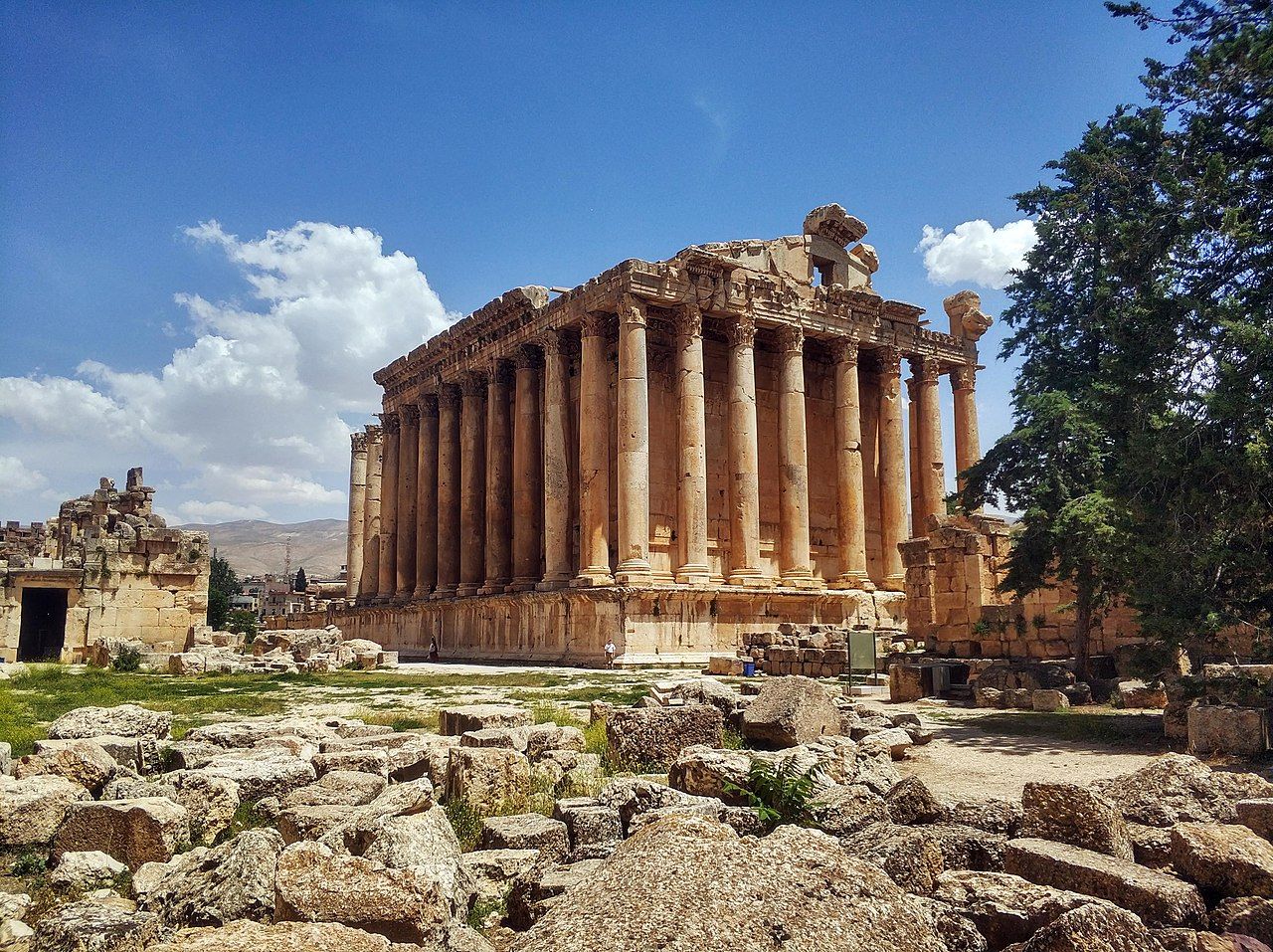
Source: Wikipedia Commons. See more at: https://en.wikipedia.org/wiki/Baalbek
There was also a Temple to Jupiter built at this exact same location during the Roman era. And, of course, this is all in rather close proximity to Mount Hermon, where the Watchers originally descended to this earth, according to Enoch 6. There are other structures at this ancient site of Baalbek, also known in antiquity as Heliopolis. In the Bible, this city was known as Baal-Gad (such as in Joshua 11:17) and was often mentioned in conjunction with Mount Hermon.
Interestingly, Baalbek got shellacked by the Israeli military a couple years ago in late 2024 when the Israeli Defense Force was decimating the Hezbollah terrorist group in Lebanon.
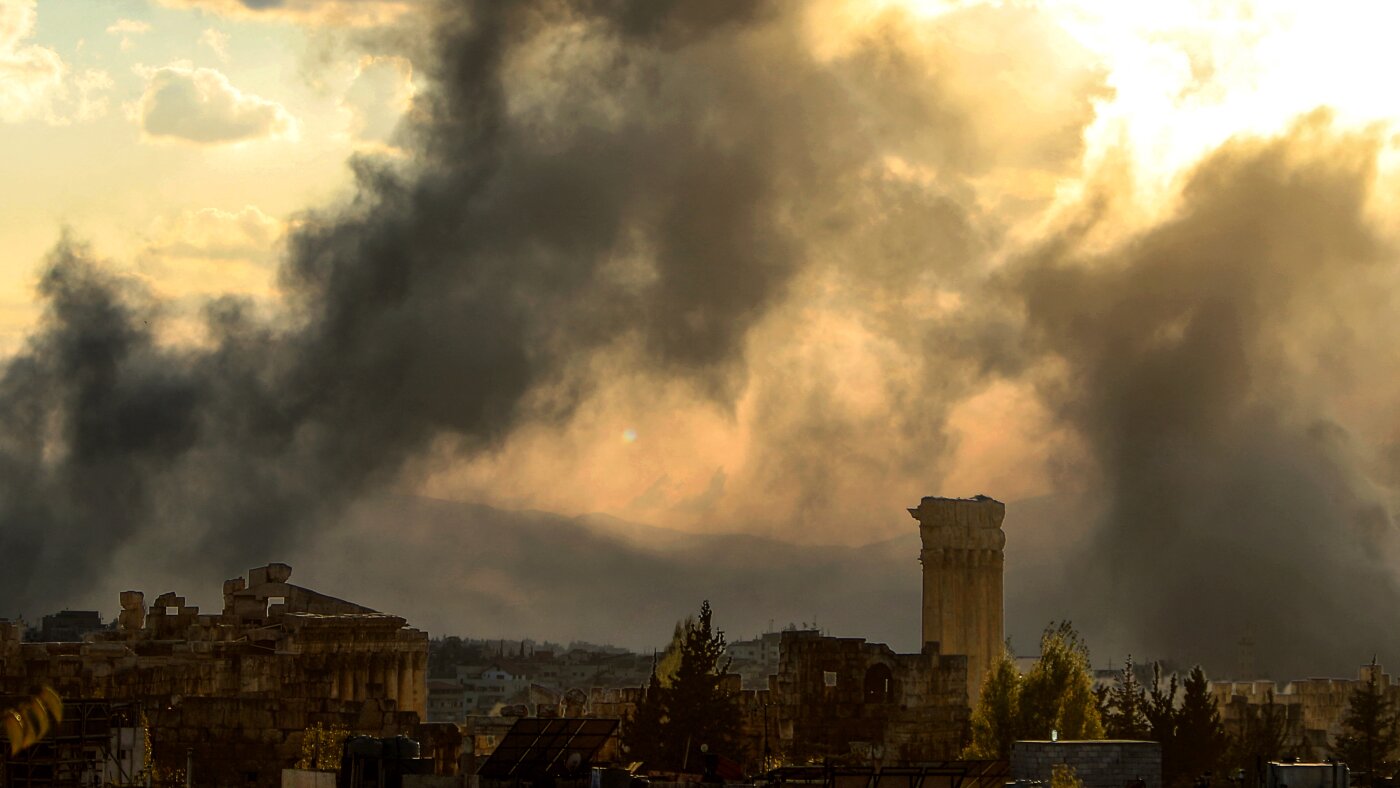
You can read the article yourself if you’d like to see the some pictures, but note this statement: An agricultural area near the Syrian border, it is also a strong base of support for Iran-backed Hezbollah, which has been fighting Israel across the Lebanese-Israeli border since the Gaza war erupted a year ago.
How interesting that this ancient city where the Watchers were chained up under the earth had a pagan temple right on top of it.
How interesting that this pagan temple has continuously been a site of worship of false gods for the thousands of years since then.
How interesting that it was given the name Baal, which is an identity of Satan, the prince of demons.
How interesting that today, in modern times, this exact city is a hotbed of terroristic activity.
How interesting.
Biblical Parallels with Enoch
As I’ve been studying this section of Enoch’s book, I’ve come across a number of interesting parallels with the Bible. For instance, we read in this weeks episode from Enoch 13 that the Lord visited Enoch as he sat “at the waters of Dan.”
In Scripture, the Lord visited Ezekiel as he sat by the Chebar River (Ezekiel 1) and Daniel as he sat by the Tigris river (Daniel 10). Not to mention Jesus, who was God, had the heavens open to Him while He was at the Jordan river being baptized (Mark 1).
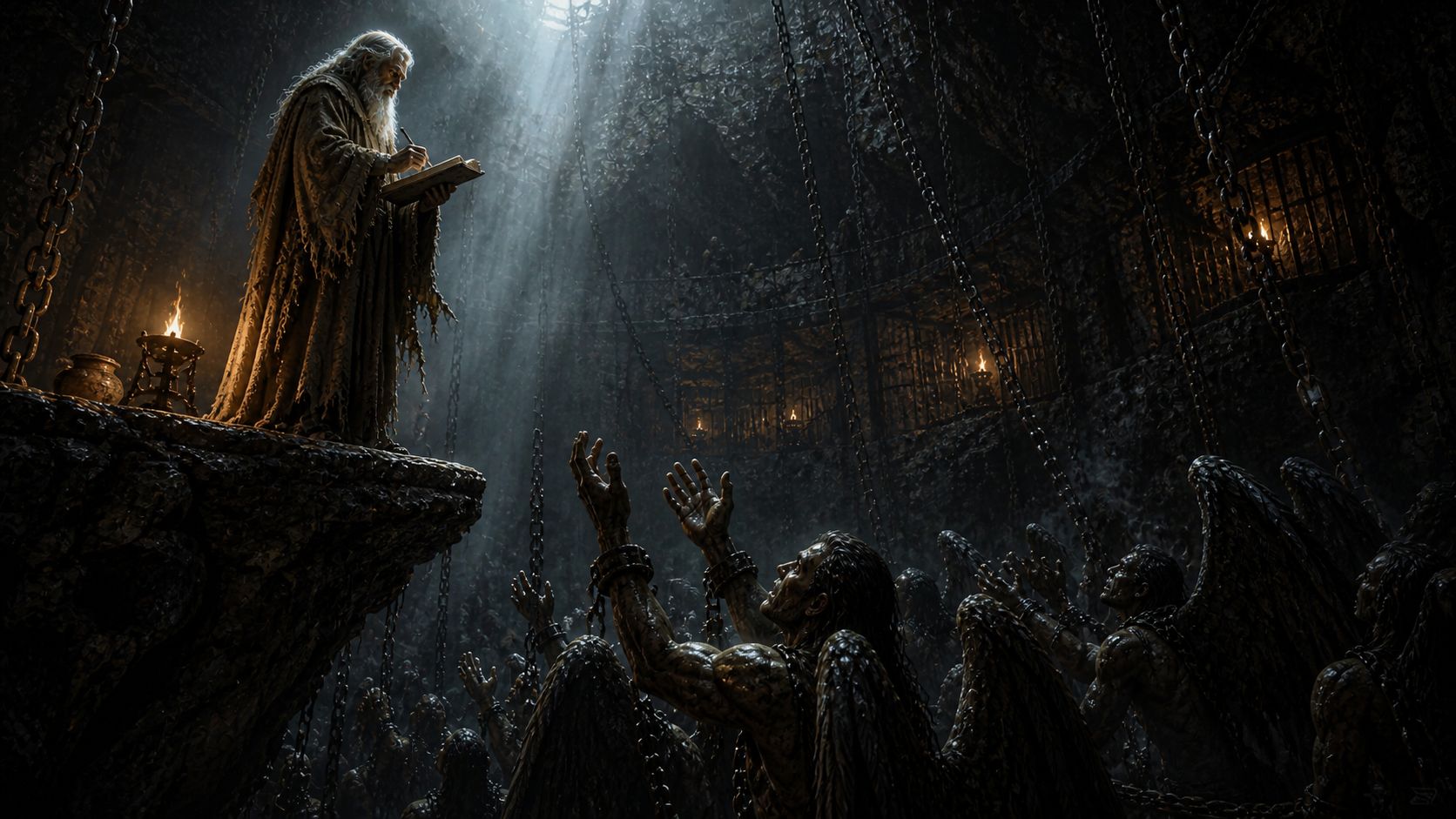
Here is another fascinating parallel, which I might mention in this week’s episode: Enoch’s role in this part of the book was to intercede as a scribe for the Watchers, who were too ashamed to lift their heads to heaven for their sins (including marrying the human women, a forbidden union).
The Book of Ezra contains a similar story. Ezra, a scribe (Ezra 7:6), arrives to find that the Israelites had intermarried with foreign women who worshiped false gods- another type of forbidden union.
Like Enoch and the Watchers, Ezra was called upon to intercede for these sinners. Hear the similarity in language:
Enoch 13 reads, And they besought me to draw up a petition for them that they might find forgiveness, and to read their petition in the presence of the Lord of heaven. For from thenceforward they could not speak (with Him) nor lift up their eyes to heaven for shame of their sins for which they had been condemned.
Ezra 9:6 - …O my God, I am ashamed and blush to lift up my face to thee, my God: for our iniquities are increased over our head, and our trespass is grown up unto the heavens.
These kinds of parallels or recurring elements relate closely to the theological and exegetical philosophy of typology. I know that looks like a lot of $5 words, but it’s actually quite simple and exciting once you see how typology works in the Bible, and I’m excited to be sharing about that in the next episode.
We’ll be learning about how the story of Jesus’ life paralleled the stories of several biblical characters- and possibly even Enoch himself! Tune in on May 20 to learn more.
So until then, have a great week, and a weird Wednesday!
-Luke

P.S.
There’s a new article on the website, in case you missed my episode on Azazel and the Day of Atonement last March.

P.P.S.
For those of you still reading this far, I have a special announcement: our beloved pug Marty turned 11 this month. Behold!
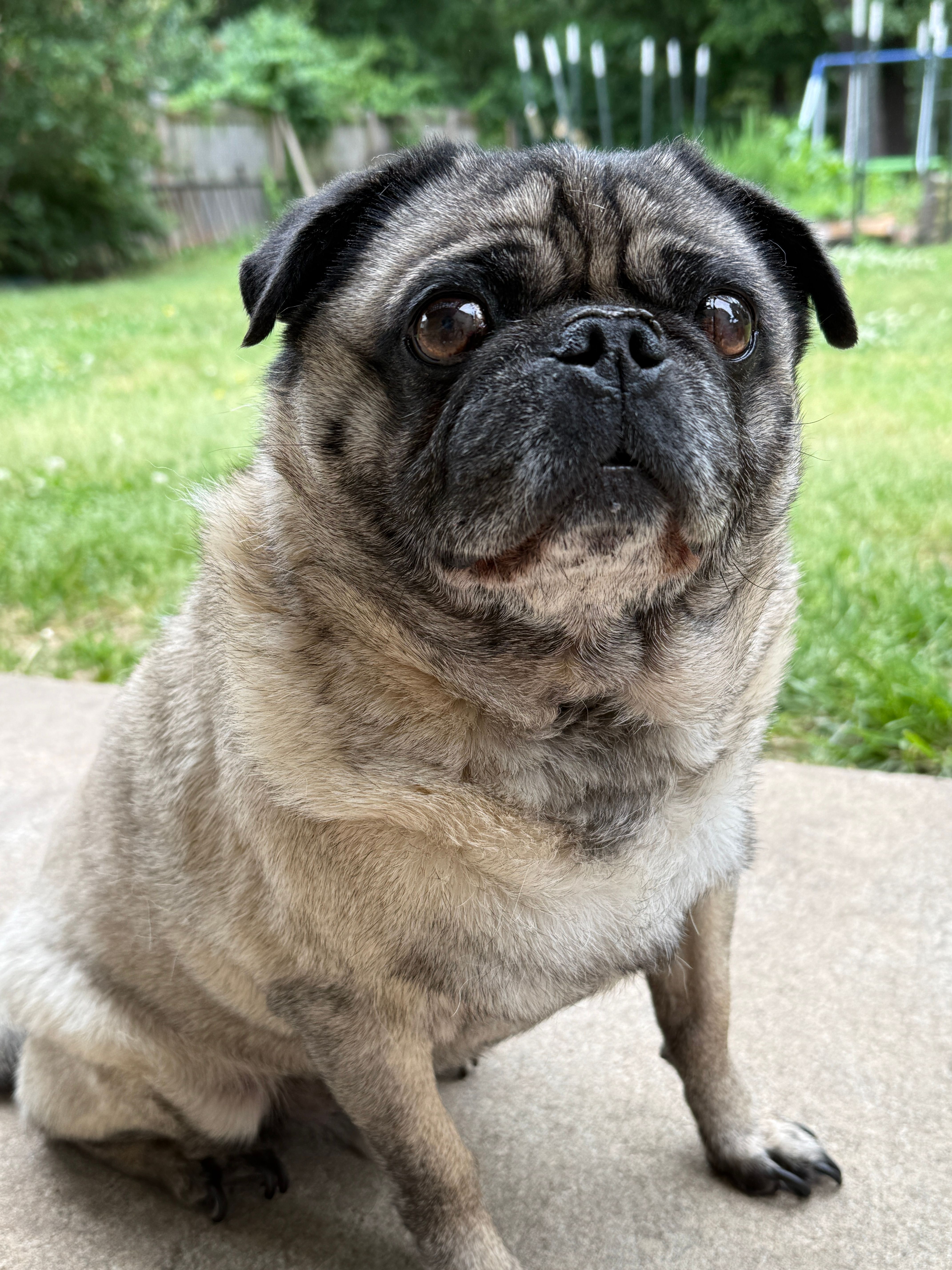 | 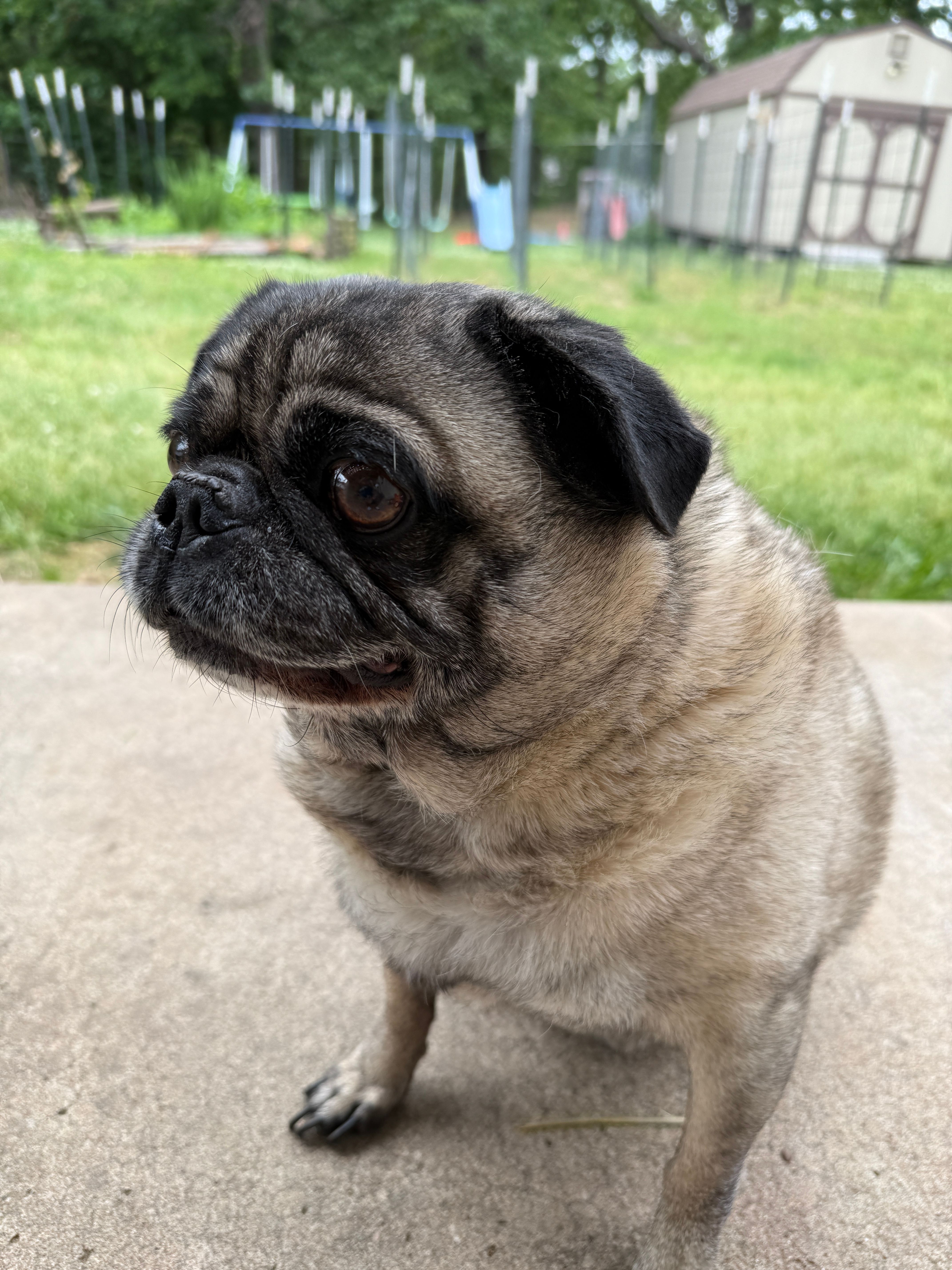 |
Happy Birthday Marty!